 Students
When Hiring, Georgetown SCS Alumni Look to Their Alma Mater
Read more » about When Hiring, Georgetown SCS Alumni Look to Their Alma Mater
Welcome to your next chapter
A Georgetown education goes beyond the classroom, preparing you to navigate the professional world with integrity and confidence.

You’ll engage with a community of students, faculty, and alumni from 75+ countries who contribute a range of insights, backgrounds, and experiences.

Courses blend focused study and real-world experience to empower your personal and professional growth.

You’ll have opportunities to apply what you learn to become a changemaker in your community.

Rooted in Georgetown’s Jesuit values, courses prepare you to think, reflect, and act with intention.

It’s really helped me to feel more confident in my intended career path. I have solidified what I want to be doing, and I wouldn’t have this feeling if it were not for Georgetown.”
Catriona Coleman Master's in Information Technology Management
Each professor is absolutely willing to help you outside of class, spend time with you, develop a relationship, and answer any questions you may have about the industry and their careers.”
Kelly Perrins Master's in Sports Industry Management
I not only gained practical tips and insights from experts in all my classes, but also got to work with an intelligent, diverse, and fun group of people. My time at Georgetown was a truly amazing learning experience.”
Worakorn Thongkijaohachai Master's in Integrated Marketing CommunicationsWe offer a wide range of programs, certificates, and courses to help you achieve your goals. No matter where you're trying to go, we have a way to get you there.

We offer full-time and part-time programs in a wide range of subjects. Available in on-campus, online, and executive formats, our programs prepare you to make an immediate impact in the workplace and excel within your industry.

Our online master’s programs are fully accredited, and flexible. Representing a wide range of professional areas and industries—from human resources, to applied intelligence, to project management—our online programs prepare you to be a leader in your field.

Our part-time and evening liberal studies programs—including a master’s program and a doctoral program—emphasize intellectual advancement, enhanced critical thinking, and a greater cultural understanding.

Earn a credential to help you reach the next step in your career, whether it’s advancing to senior management, starting a business, or trying something new. We offer cohort-based executive certificates and part-time professional certificates that are designed around the busy schedules of today’s business professionals.

We offer a wide range of English language programs for both students and teachers. Designed to support different language backgrounds and learning styles, our programs can help you master your English skills, prepare for U.S. undergrad- or graduate-level study, or become certified to teach English as a foreign language.

Our Summer Sessions for undergraduate and graduate students and Summer Programs for High School Students are available in both on-campus and online formats that give you the opportunity to get ahead on your studies while learning from distinguished Georgetown faculty.
Accessible Learning in the Heart of D.C.
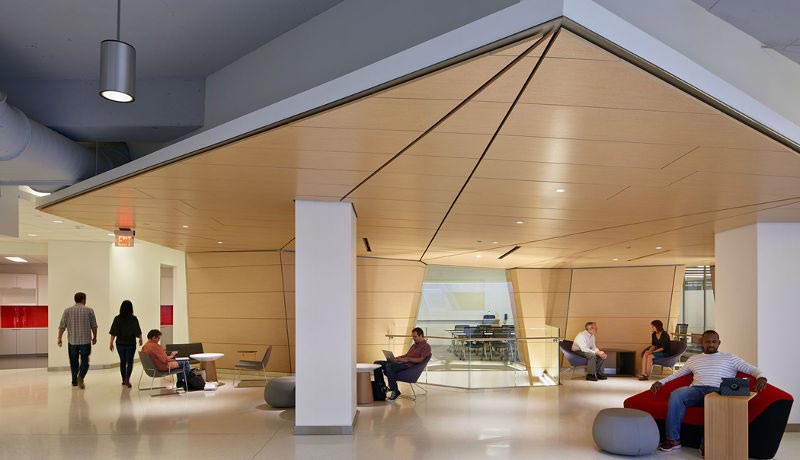
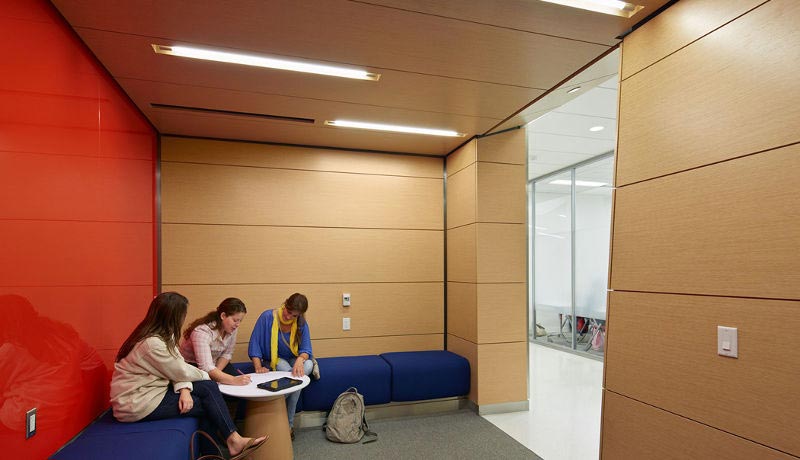
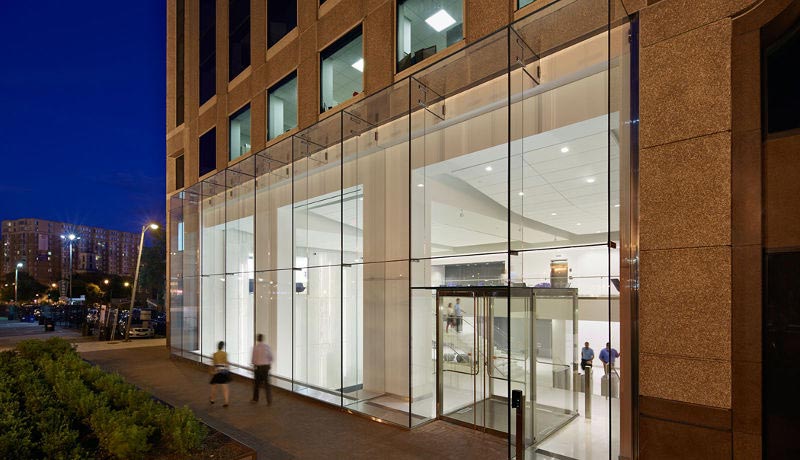
Our LEED Gold® certified campus features more than 95,000 square feet of work, lounge, and meeting spaces in the heart of Washington, D.C. With a perfect Transit Score of 100 and a Walk Score of 98, our campus is located in one of the most accessible areas of D.C. The surrounding neighborhood is home to hundreds of companies and organizations, providing ample opportunities for you to build your network and connect with industry experts and organizations within your field of study.
Students
Read more » about When Hiring, Georgetown SCS Alumni Look to Their Alma Mater
Simply complete this form to receive additional information about our programs.
All fields are required.